SAKARA 101
The One Nutrient You Actually Need

This is a big one.
Dr. Dennis Burkitt, a famous English physician, studied the differences between indigenous African bushmen and their “civilized” western counterparts. The bushmen seemed to be free of the scourges of modern life — including heart disease, cancer, diabetes, and obesity.
Dr. Burkitt found that the average bushman had a stool weight of 2 pounds and the “civilized” men had a stool weight of only 4 ounces – that’s 87.5% smaller! One of the key differences was fiber.
Today, the average American eats about 8 grams of fiber a day. But the average hunter and gatherer ate 100 grams from all manner of roots, berries, leaves and plant foods. And the fiber is what helped those ancestors of ours stay healthy.
You need fiber to keep healthy from top to bottom (pun intended!), as well as to provide food for the healthy bacteria that work within you to promote health.
In studies, fiber has been shown to prevent obesity and many chronic diseases by increasing microbiome diversity and health. This is because fiber slows the rate at which food enters your bloodstream and increases the speed at which food exits your body through the digestive tract. That keeps your blood sugar and cholesterol in ideal balance — and quickly eliminates toxins from your gut and reduces your appetite. It also feeds the kind of bacteria we want in our guts, promoting healthy aging, mental clarity, robust immunity and general health.
For example, one recent study showed how butyrate made by gut bacteria from certain types of fiber acts as a switching molecule that turns on an anticancer gene — and turns OFF colon cancer. In fact, fiber has been shown to reduce the risk of colon cancer by as much as a third and breast cancer by almost 40 percent.
It also lowers cholesterol and reduces the risk of heart disease by as much as 40 percent. Plus, it’s a great natural cure for constipation and irregularity.
Getting Enough Daily Fiber
Aim to get 30–50 grams of fiber each day—but keep in mind that it’s not just about the amount. The types of fiber you choose matter, too. Each plant offers a different kind, and that variety helps support a more diverse gut microbiome. Because different bacteria thrive on different fibers, eating a range of plant fibers helps your gut bacteria thrive.
Most people think that bran or leafy greens are the only type of fibers to eat. These are great for your gut are are known as insoluble fiber. You can think of insoluble fiber as scrub brush for your intestines. It's great for colon health and for getting you regular. However, there's more to fiber than that!
Soluble fiber—the type of fiber that dissolves in water to form a gel-like substance in the gut—ccan help lower cholesterol, blood sugar, and insulin, prevent cancer, balance hormone levels , remove excess estrogen and reduce the risk of breast cancer, make vitamins and minerals , provide food for the colon cells, and more. So it’s easy to see just how crucial soluble fiber is to good heath.
You’ll find soluble fiber in fruits, vegetables, beans, nuts, seeds, and most whole grains. The bacteria in your gut metabolizes the soluble fiber in these foods, and that’s when the benefits start.
You probably won’t be eating 12 pounds of food like your ancestors did! But you can increase your fiber intake, just by being smart about what you eat. Here are some simple suggestions for increasing fiber in your diet.
9 Tips for Increasing the Fiber in Your Diet.
- Get the flax. Get a coffee grinder just for flax seeds, grind 1/2 cup at a time, and keep in a tightly sealed glass jar in the fridge or freezer. Eat 2 tablespoons of ground flax seeds a day. Sprinkle on salads, grains, or vegetable dishes or mix in a little unsweetened applesauce.
- Load up on legumes. Beans beat out everything else for fiber content!
- Bulk up on vegetables. With low levels of calories and high levels of antioxidants and protective phytochemicals, these excellent fiber sources should be heaped on your plate daily.
- Go with the grain. Whole grains like brown rice or quinoa are rich in fiber, too.
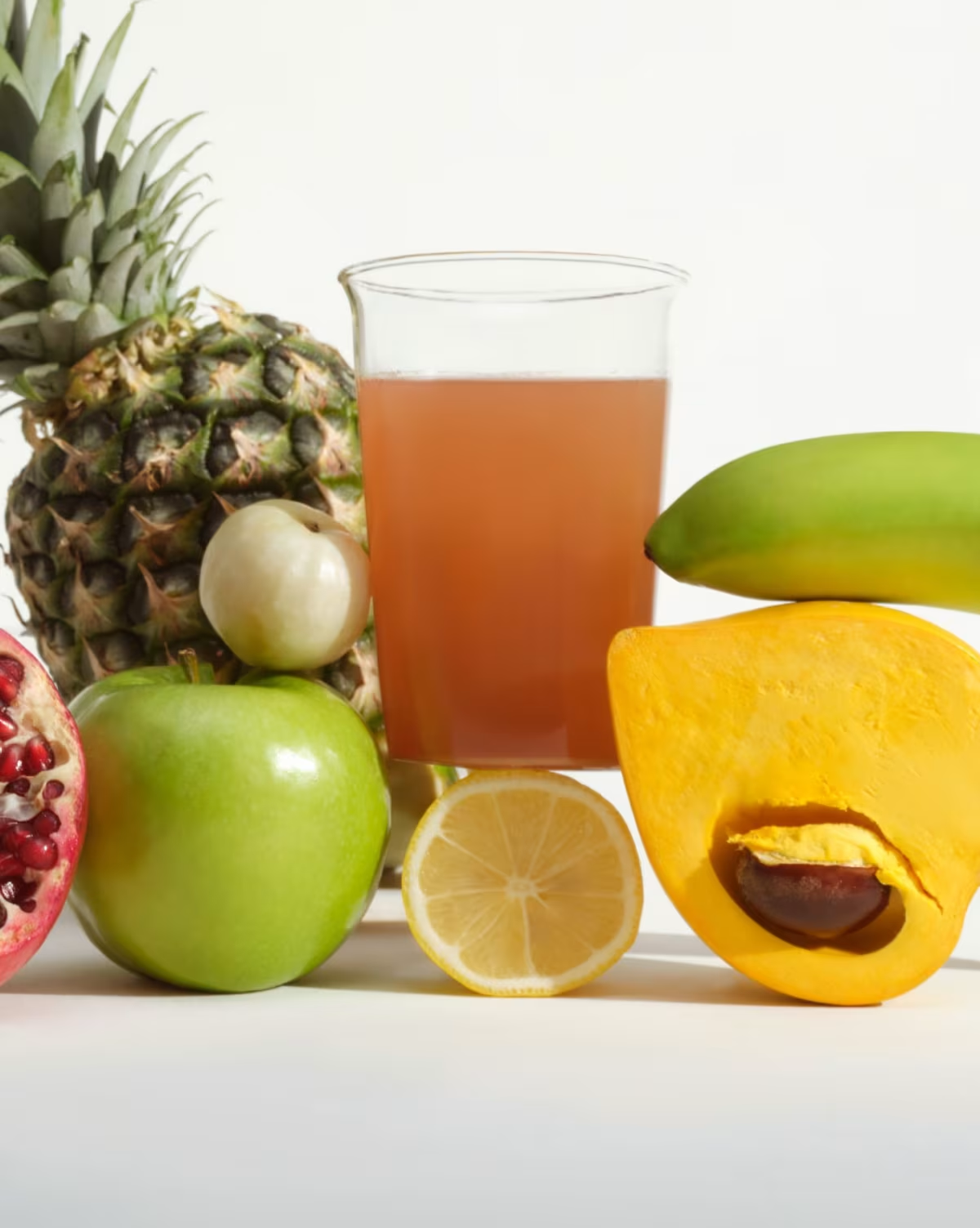
- Eat more fruit. Include a few servings of low-sugar fruits to your diet daily (berries are the highest in fiber and other protective phytochemicals).
- Go nuts. Include a few handfuls of almonds, walnuts, pecans, or hazelnuts to your diet every day.
- Start slowly. Switching abruptly to a high-fiber diet can cause gas and bloating. Increase your fiber intake slowly until you get up to 50 grams a day.
Get Your Fiber Fix

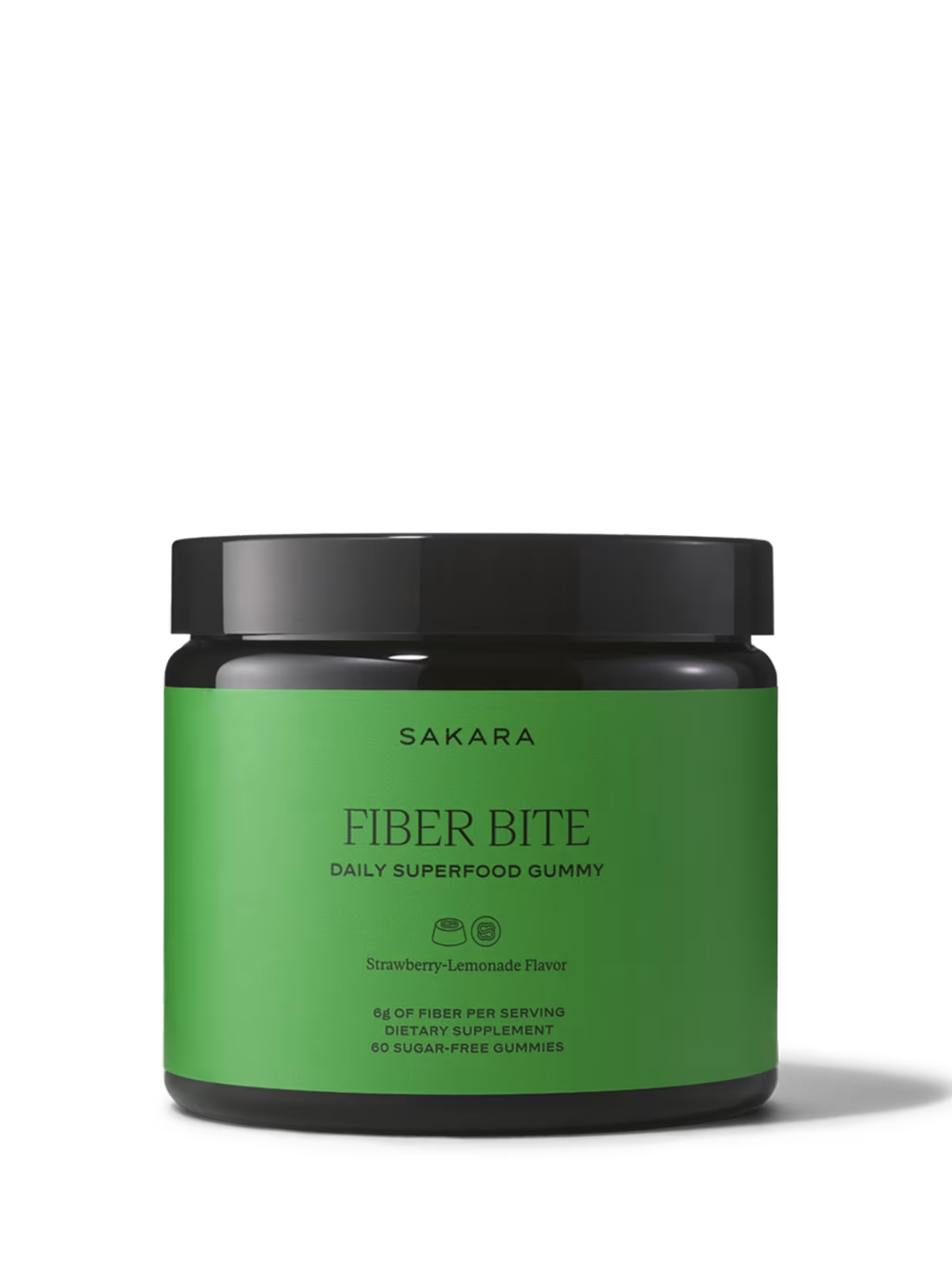
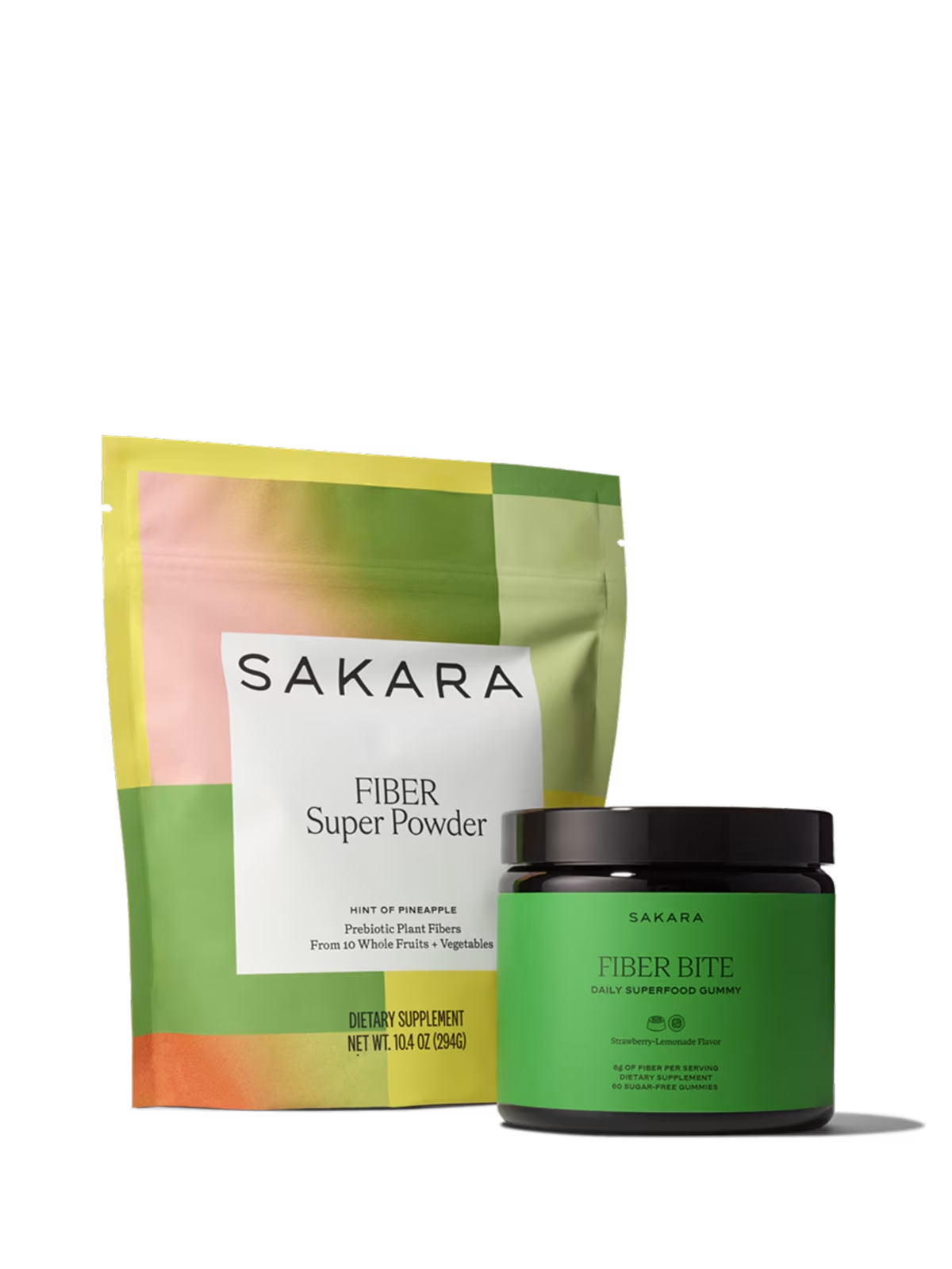
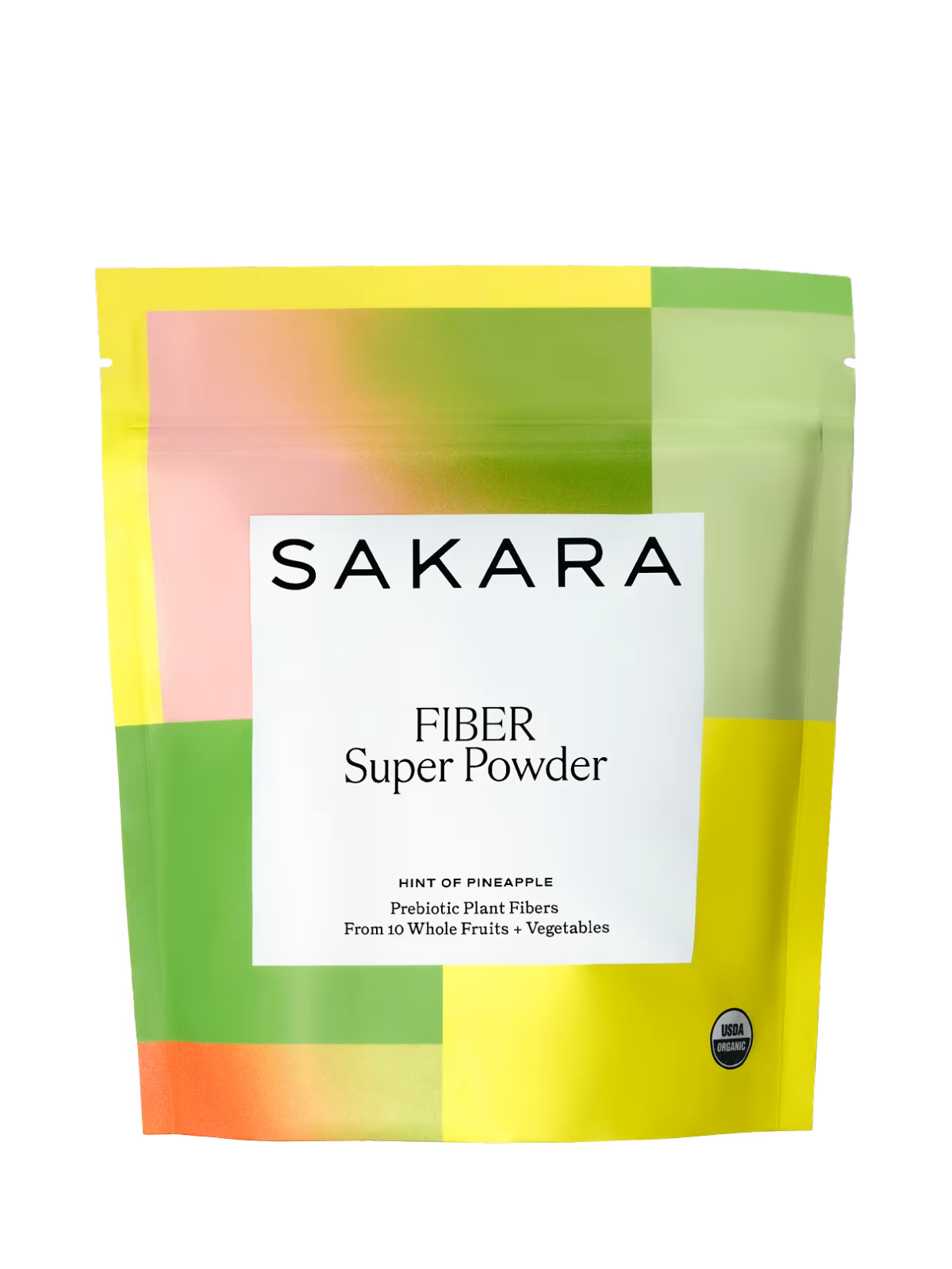
Delicious, convenient, and packed with 6g of quality prebiotic fiber in just one serving, these little gummies can have quite the impact on your gut health.
Keep Things Moving