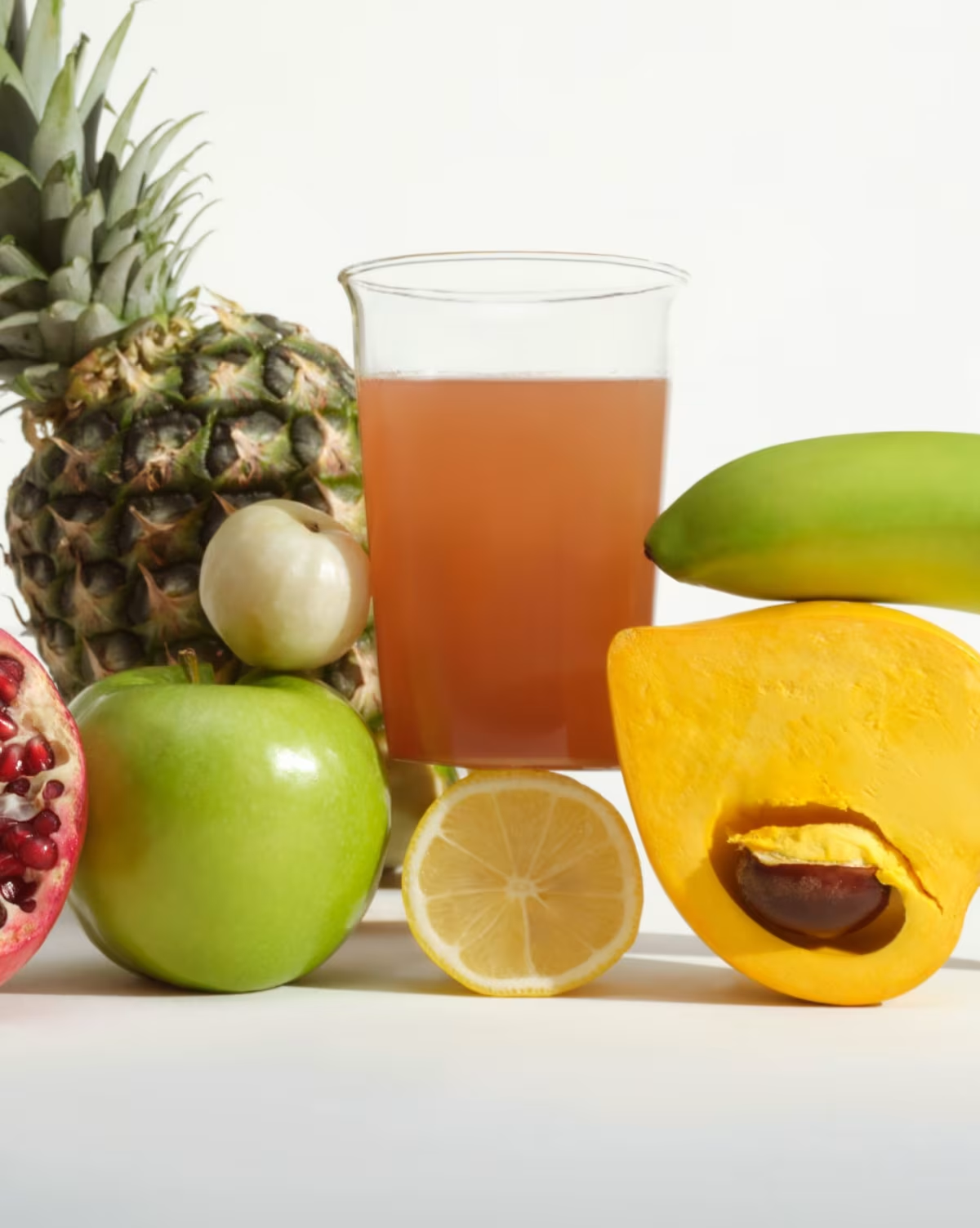
We tapped our in-house nutritionist, Elizabeth, to break down the basics of how antioxidants work and which colorful, vibrant foods we should eat more of to get them into our diet.
By Elizabeth Adrian RDN, CDN
•Aug 29, 2025
By Elizabeth Adrian RDN, CDN
•Aug 29, 2025
Antioxidants are molecules that protect your cells from damage - think of them as your body’s natural defense team.
They fight free radicals, which can contribute to signs of aging and cellular stress.
Without enough antioxidants, oxidative stress can damage DNA, proteins, and cell membranes, contributing to aging and disease.
Antioxidants help maintain cellular balance, supporting everything from immune strength to hormonal health.
Diets rich in antioxidant-packed plants are linked to lower risk of heart diseases, diabetes, neurodegenerative disorders, and certain cancers1-3.
Research shows whole-food sources of antioxidants (vs. supplements) offer the greatest benefit - especially when eaten in variety and abundance3.
All fruits & vegetables offer antioxidants (nature’s built-in protection plan), but some are true overachievers.
Berries (especially wild blueberries, raspberries, blackberries), pomegranate, and guava top the charts when it comes to antioxidant-rich fruits.
Among vegetables, beets, spinach, broccoli, red peppers, and artichokes stand out.
In plants, key antioxidants include:
Each fruit and vegetable offers a unique spectrum of each of these compounds, so variety is key.
That’s why we follow our “Eat the Rainbow” philosophy - the more colors on your plate, the more complete your protection, nourishment, and glow.
References
Science-Backed Solutions